Highlight: Mongolia's reverse gender gap in education
The main finding, stated plainly in two or three sentences.
Mongolia has a reverse gender gap in education, where girls outperform boys at all levels of education. This phenomenon is correlated with a father-son intergenerational transmission mechanism, where dropout rates among sons in 2020 are associated with their father's dropout. Sons are kept out of school, and families invest more in girls' education.
What the finding means, in simple terms
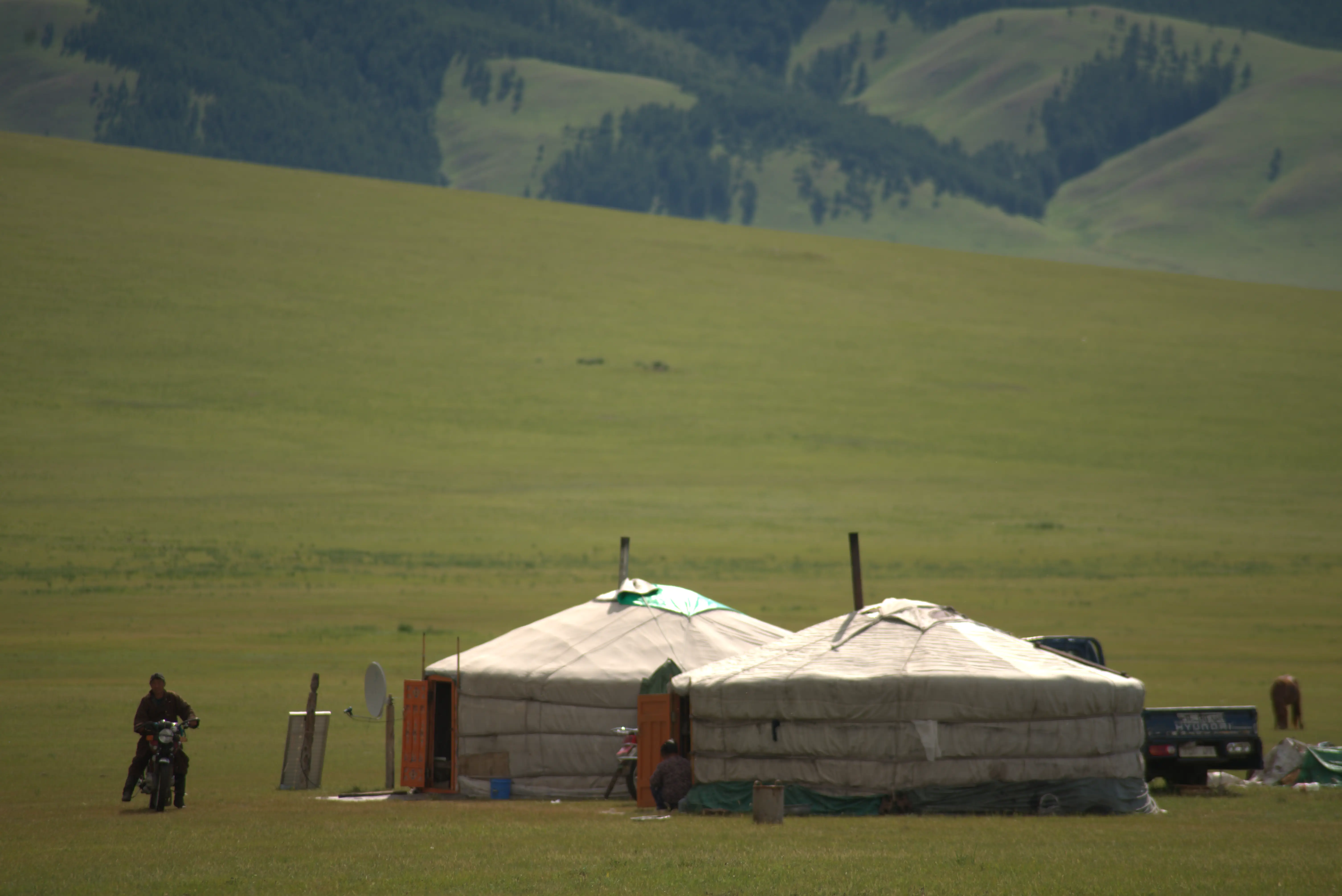
Among Mongolia's rural families, the finding suggests a shift in educational priorities, with parents investing more in their daughters' education compared to their sons.
How the finding was reached, in simple terms
I carried out a logistical regression of several variables to identify the relationship between parental education and child outcomes. Parental education was not comprehensively observed, so I used a proxy variable for parental education: the father's level of education.
How the analysis was done
The analysis was conducted using 2020 linked census microdata obtained through Mongolia's National Statistics Office. The analysis was conducted using STATA, a statistical programming language, and the code is available on my GitHub.
What sources were used
The analysis was based on the 2020 Mongolian census microdata, which was obtained through the National Statistics Office of Mongolia. The data is not publicly available, but can be requested from the NSO. I also referenced a wide literature on gender gaps in education, intergenerational transmission of education, and Mongolian education policy.